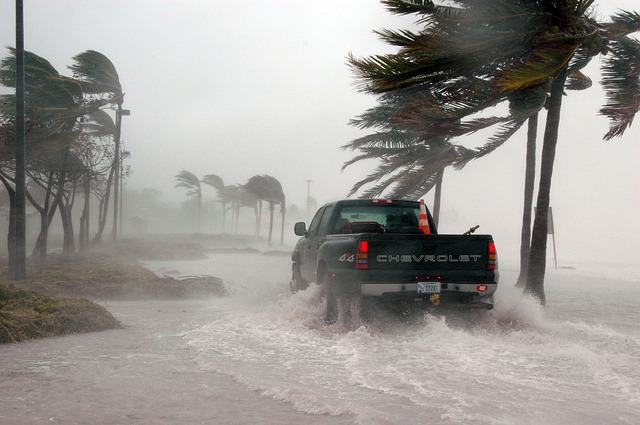
Hurricane Florence preparedness for Veterinarians
Preparing a veterinary practice for a hurricane means deciding three things before the warning: where the records live if the building floods, what happens to inpatients and boarders, and who is expected on site. Cloud records solve the first, and the other two need a written plan the whole team has read.
Hurricane is among the most disastorous events to happen on the earth. And, since the Hurricane Florence is closing in we got to stay prepared for it. This article is meant for Veterinarians & the stakeholder of Veterinary Clinics across the world to stay prepared for the inevitable and minimize the casualties.
What is a Hurricane?
A tropical cyclone is a rotating low-pressure weather system that has organized thunderstorms but no fronts (a boundary separating two air masses of different densities). Tropical cyclones with maximum sustained surface winds of less than 39 miles per hour (mph) are called tropical depressions. Those with maximum sustained winds of 39 mph or higher are called tropical storms. When a storm's maximum sustained winds reach 74 mph, it is called a hurricane. The Saffir-Simpson Hurricane Wind Scale is a 1 to 5 rating, or category, based on a hurricane's maximum sustained winds. The higher the category, the greater the hurricane's potential for property damage. Hurricanes originate in the Atlantic basin, which includes the Atlantic Ocean, Caribbean Sea, and Gulf of Mexico, the eastern North Pacific Ocean, and, less frequently, the central North Pacific Ocean. A six-year rotating list of names, updated and maintained by the World Meteorological Organization, is used to identify these storms.Hurrican Florence is currently a very dangerous Category.
Information for Clinics/Practitioners in Hurricane Florence's path who use VETport
1. What is VETport doing to prepare for Hurricane Florence? We are reviewing server systems in the Northern Virginia Amazon region and preparing contingency plans in the event those systems are impacted.2. How can your VETport clinic prepare? The last major Hurricane to significantly impact VETport clinics was Sandy. VETport clinics were able to get information systems up and running quicker than others because they did not need electricity at the clinic or cable to reach VETport. Clinics were able to get to their VETport system via Cell Service. Emergency services appear to get Cell service established before most others. Here are some suggestions for accessing VETport via Cell service.
A) If you have electricity at the clinic but no cable be prepared to access VETport with a hot spot. Keep the VETport emergency support number handy 513-499-2300.
B) If you don't have electricity use charged devices like phones and tablets to access VETport via direct cell service or hot spots. Keep the VETport emergency support number handy 513-499-2300.

